The membrane checked while it is still a membrane, and not yet a floor.
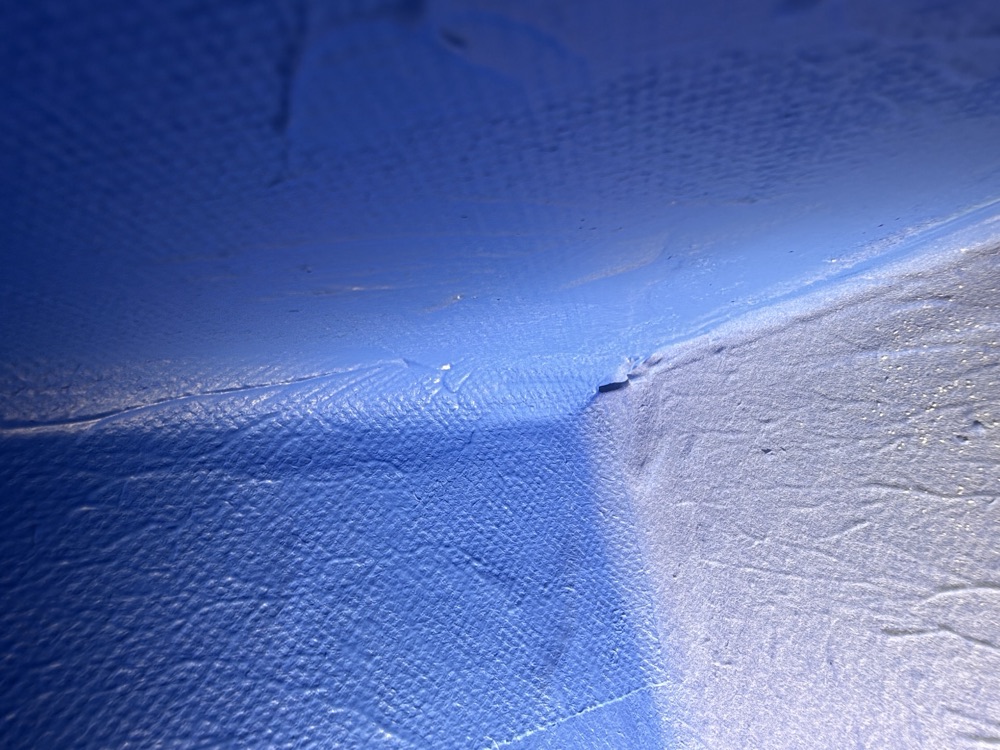
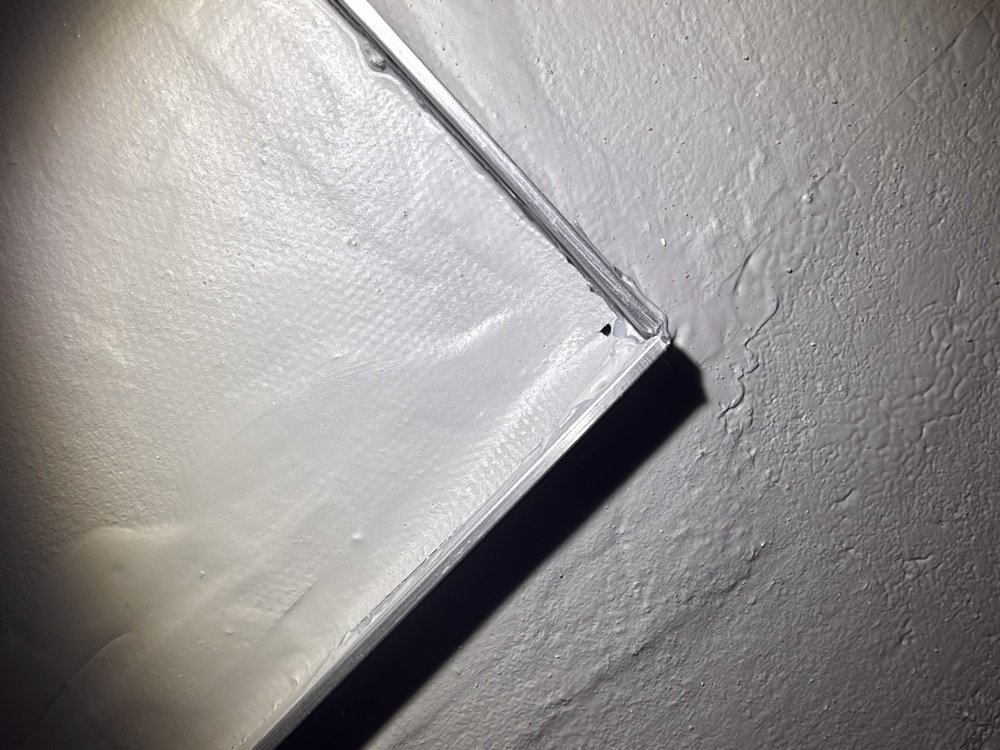
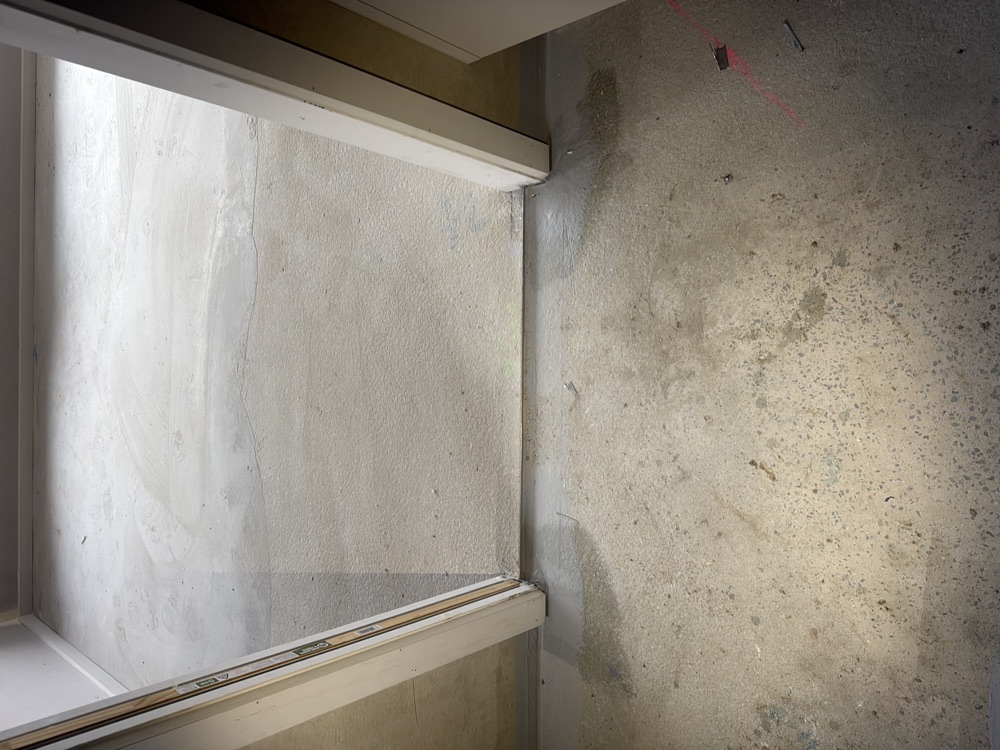
Wet areas are the single most common source of expensive rectification in new homes, and the failures are almost always in the detail rather than the field of the membrane. What we record around here is bandages laid over junctions without being embedded, coverage that stops short of the required height in a shower recess, water stop angles missing or wrongly set at a doorway, and outlet lugs not properly sealed. Once tiles go down none of it can be seen, and the first sign is usually a damp skirting in the room next door two years later.
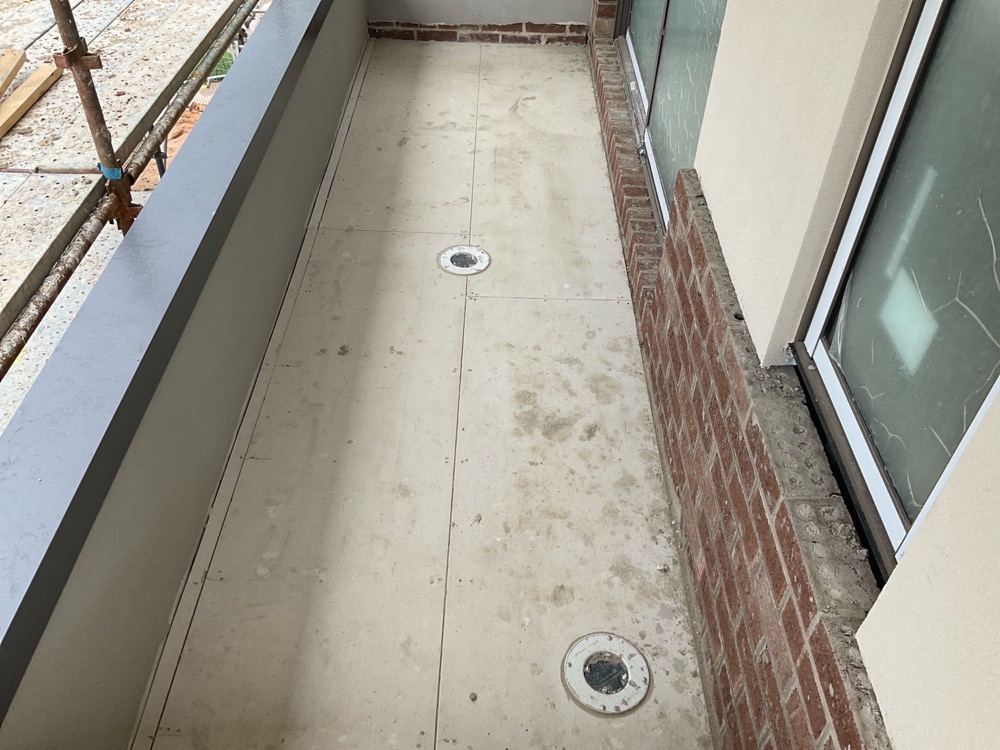
Annotated findings from Waterproofing inspections on Pakenham East builds. Client addresses withheld.
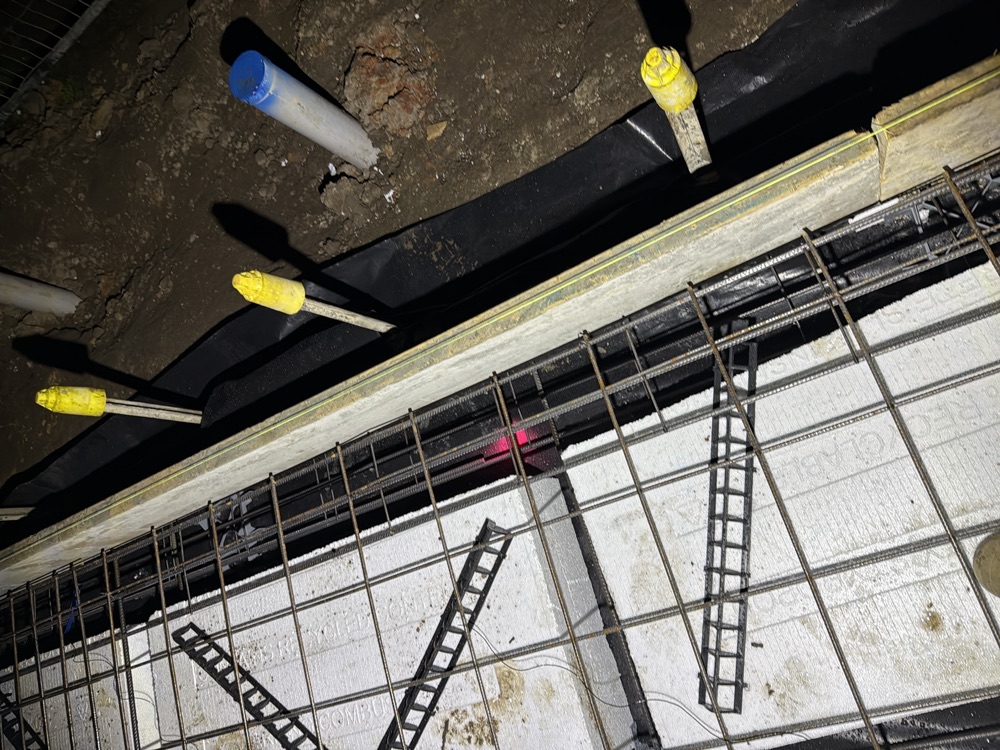 1Bored piersAfter boring and cage placement, before any concrete goes in
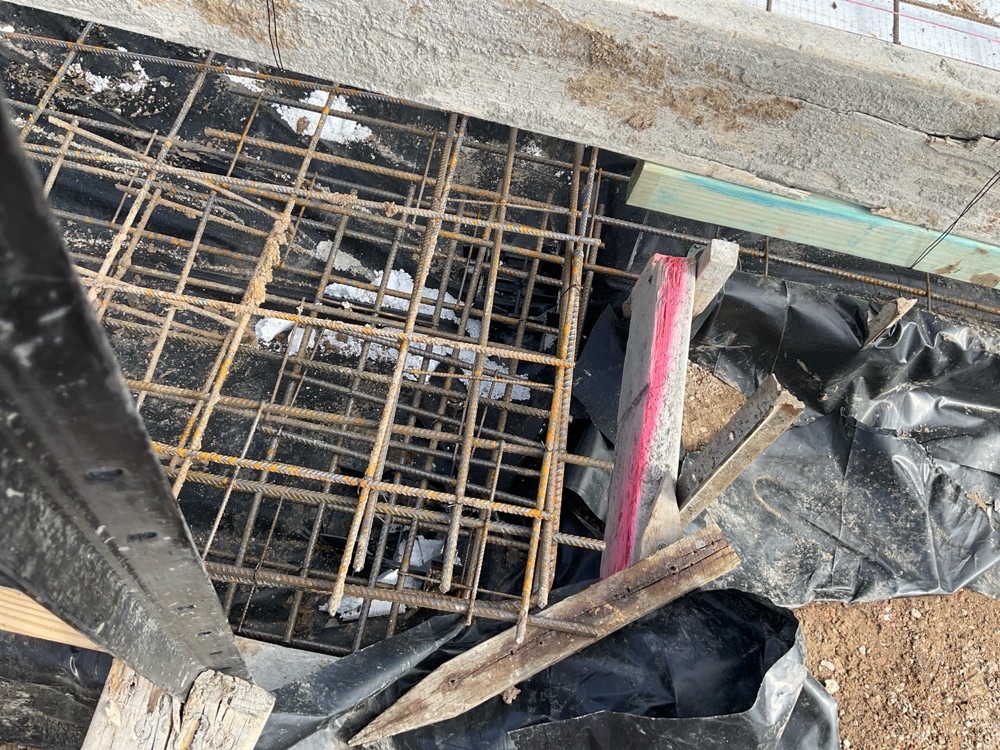 2Slab pre-pourThe day before the pour, steel and formwork complete and open to view
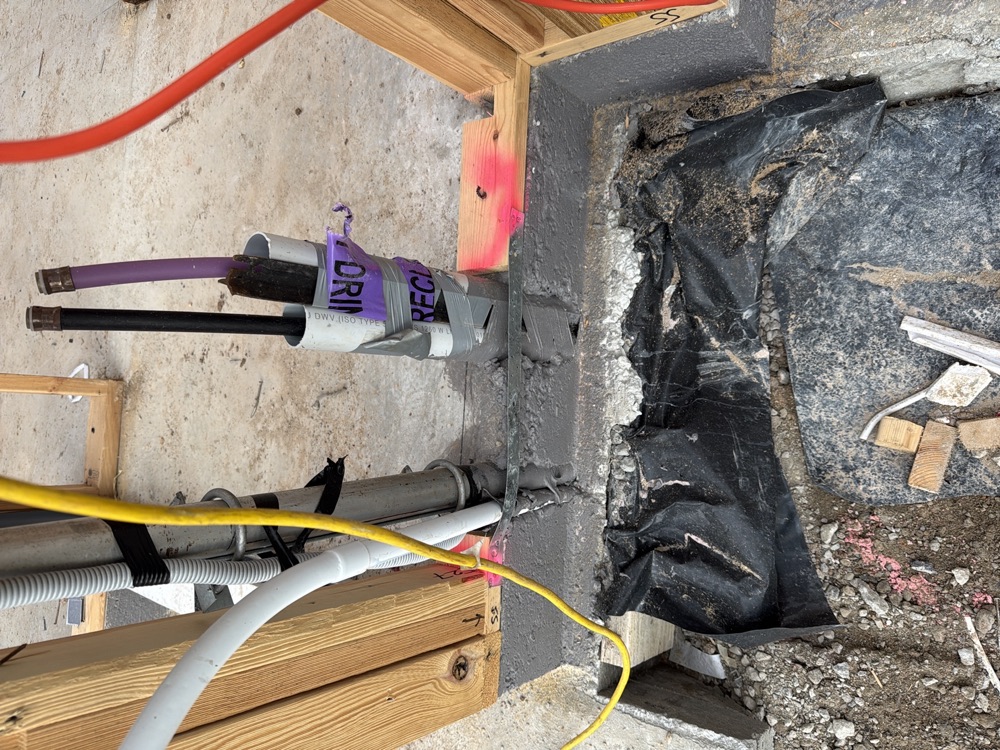 3FrameOnce the frame and trusses are up and the roof is on, before sarking and lining
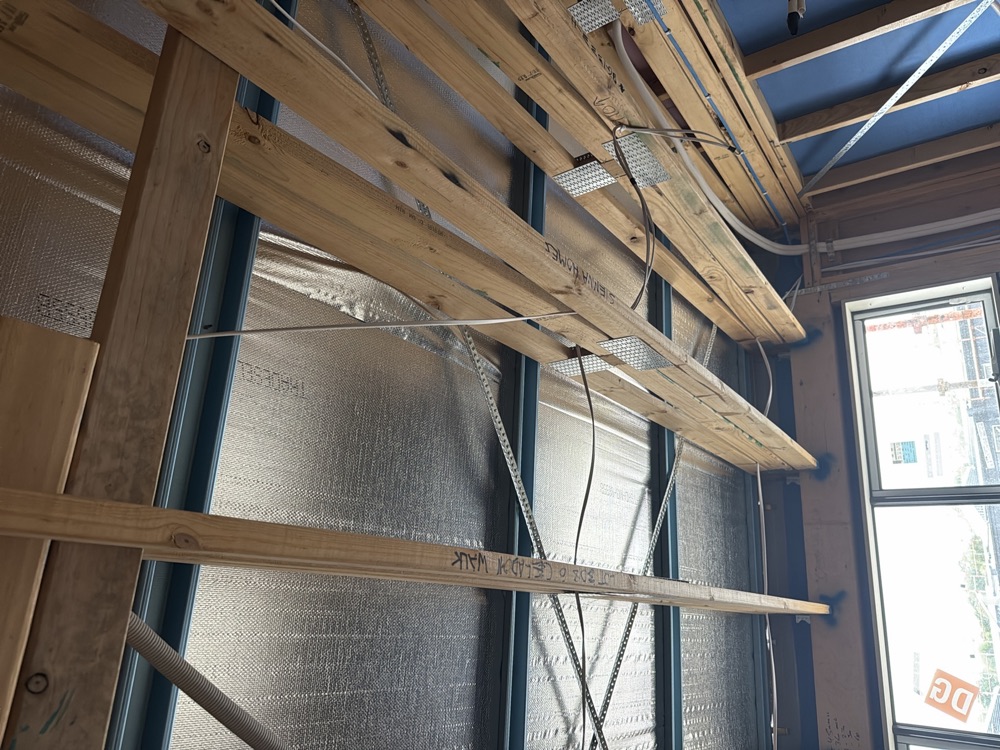 4Lock-up (pre-plaster)After roof, cladding and external doors are on, before the plasterer starts
 5FixingAfter mouldings, doors and joinery, before the painter
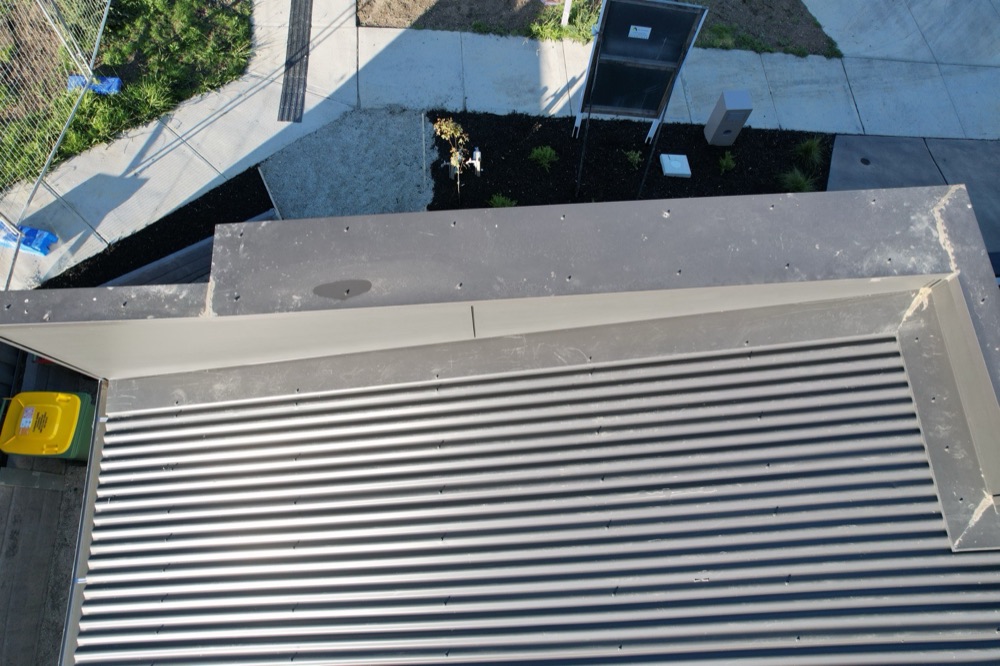 7Pre-handover (PCI)Two to three weeks before your handover date
Instant online pricing, or talk to the booking team on 1300 471 805.
AS 3740 for waterproofing of domestic wet areas, read together with the National Construction Code and the ABCB Housing Provisions. Your contract and the Guide to Standards and Tolerances also apply.
No. Flood testing is an intrusive test and it belongs to the waterproofer as part of their own process. We inspect visually and by hand, which is what identifies the detailing failures listed above.
The bandage reinforces the membrane exactly where movement happens, at junctions and corners. Laid on top rather than embedded within the coats, it is decoration, and the junction it was meant to protect is unreinforced.
It often is, and on most of these builds the two run together as one visit. Where the tiler is close behind the waterproofer we would rather attend separately and early than miss the window.
We inspect the areas still open and say plainly which areas were already covered and therefore not assessed. We will not report on a membrane we could not see.
The builder, as a coordination issue between the waterproofer and the tiler. The report gives them the location and the clause, which is generally enough for it to be redone before tiling.